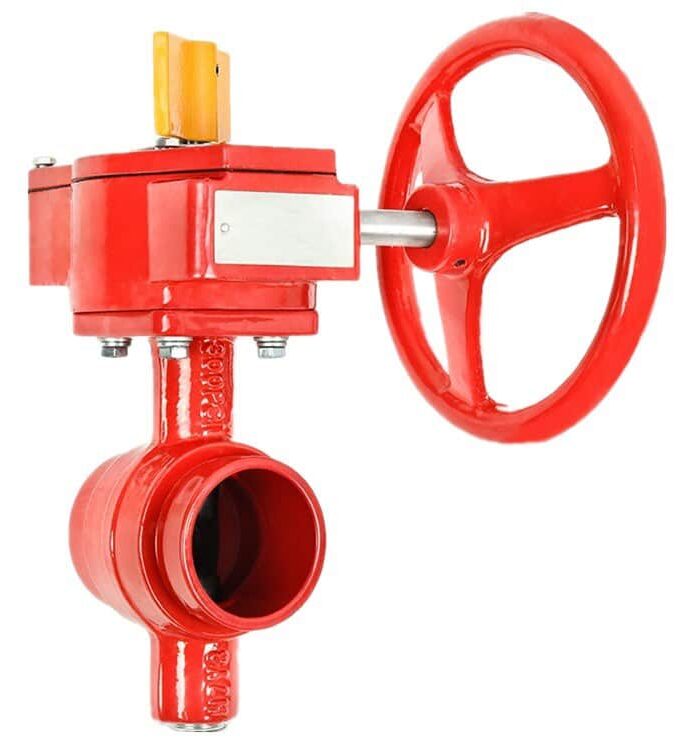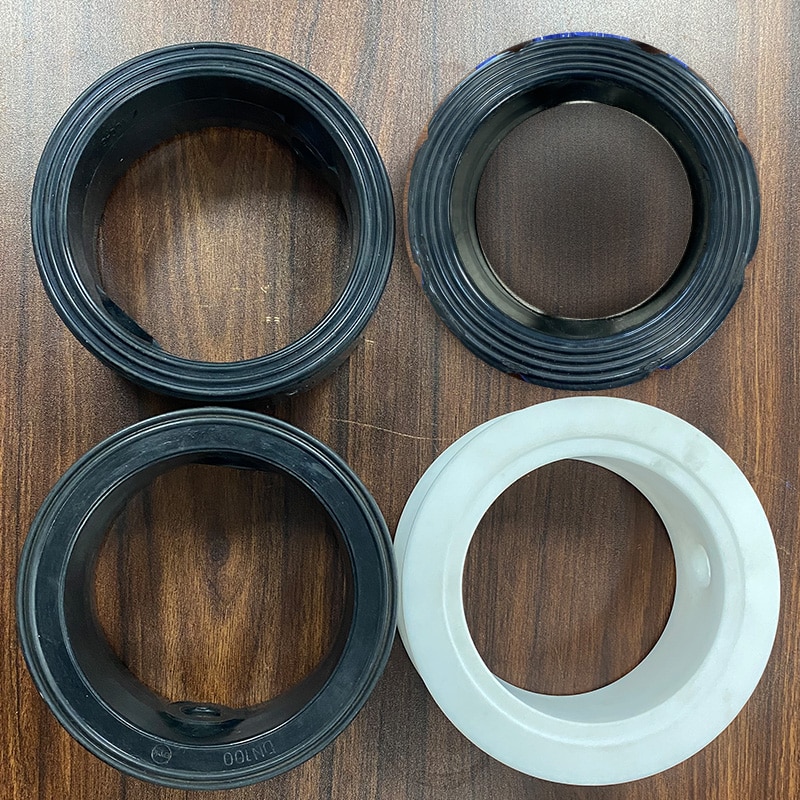
Butterfly valves are widely used across water treatment, HVAC, chemical processing, and various industrial pipeline systems due to their compact design, quick operation, and cost-effective performance. At the heart of their sealing capability is the valve seat—a component whose material and condition directly determine shutoff quality and service life.
Valve seats are typically made from elastomers, plastics, or metal. Their main role is to form a tight seal against the disc, allowing the valve to isolate or regulate fluid flow. However, seat materials are highly sensitive to temperature. Extreme heat or cold can alter their mechanical properties, change dimensions, and even affect the overall sealing integrity.
In this article, we take a close look at how temperature influences butterfly valve seat performance. By examining the behavior of different seat materials under thermal conditions, we provide practical insights to help engineers and procurement teams make informed choices in both valve selection and real-world application.
Direct Effects of Temperature on Valve Seat Materials
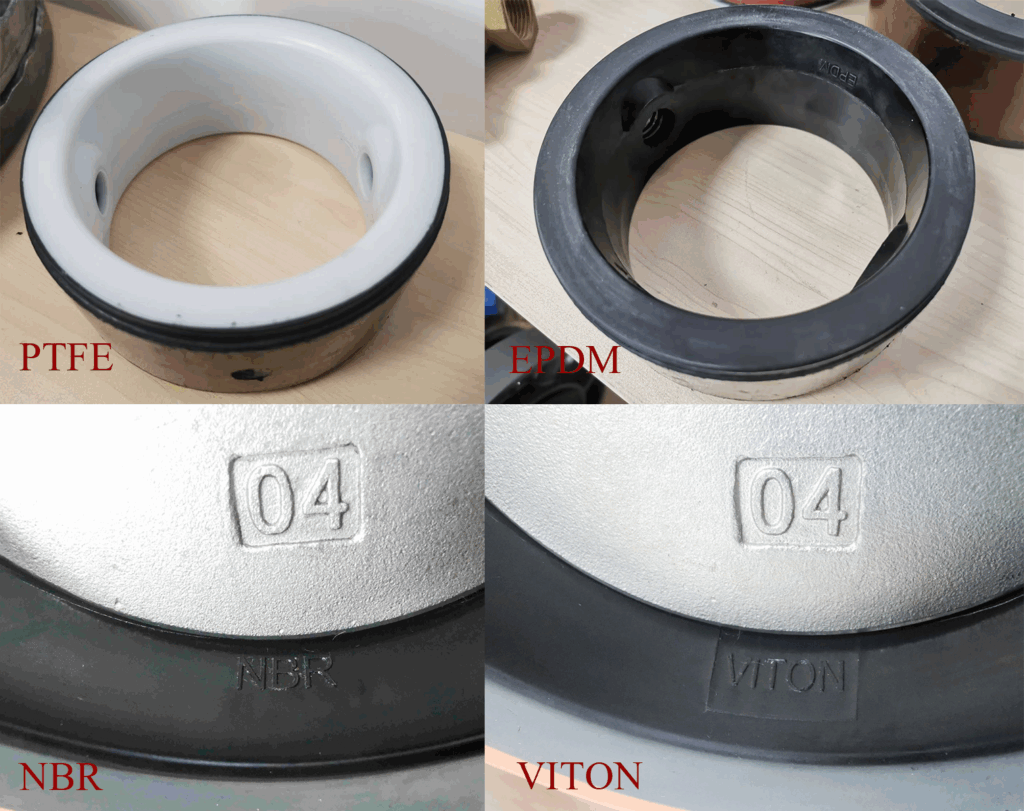
Butterfly valve seats are commonly made from elastomers (such as EPDM, NBR, and Viton), plastics (including PTFE and PEEK), and metals like stainless steel or Stellite alloys. Temperature changes can significantly alter their physical and chemical properties, directly affecting sealing performance and service life.
Elastomer and Plastic Seats (EPDM, NBR, Viton, PTFE, etc.)
High-Temperature Effects
- Softening and Permanent Deformation
When exposed to temperatures above their rated limits, elastomers begin to soften and lose their elasticity. Under constant disc pressure and media load, the seat may undergo permanent compression set. This reduces sealing force and can lead to poor shutoff or internal leakage.
- Thermal Aging and Hardening
Prolonged exposure to high temperatures accelerates oxidation in rubber materials. This breaks down molecular chains, causing the seat to become brittle and hard. Even normal operation or minor vibration can then tear or crack the sealing surface.
- Loss of Performance in High-Performance Plastics
Materials like PTFE or PPL will also degrade if temperatures exceed their limits. They may lose their self-lubricating properties and low-friction behavior, resulting in increased wear on the sealing surface.
Low-Temperature Effects
- Glass Transition and Embrittlement
At low temperatures, elastomers can shift from a flexible, rubber-like state to a glassy, rigid state. In this condition, the seat becomes stiff and fragile. During valve operation, the disc can easily scratch, chip, or crush the seat, ultimately causing sealing failure and leakage.
Metal Seats (Stainless Steel, Stellite, etc.)
High-Temperature Effects
- Reduced Strength and Hardness
At elevated temperatures, metals gradually lose strength and hardness. While the change is less dramatic than in elastomers, high pressure or frequent cycling can still cause slight plastic deformation on the sealing surface, affecting long-term sealing integrity.
- Oxidation and Surface Degradation
High temperatures accelerate oxidation and corrosion. Even stainless steel can experience surface roughening over time. Any loss of smoothness on the sealing edge increases the likelihood of leakage.
- Thermal Expansion Mismatch
Valve seats and valve bodies are often made from different materials. If their thermal expansion rates don’t match, rapid temperature changes can cause the seat to loosen, shift, or develop internal stresses that lead to cracking or failure.
Low-Temperature Effects
- Increased Brittleness
Some metals—such as carbon steel—become significantly more brittle at low temperatures. Their reduced impact resistance makes the sealing edge more vulnerable to vibration or sudden shocks, which can compromise sealing performance.
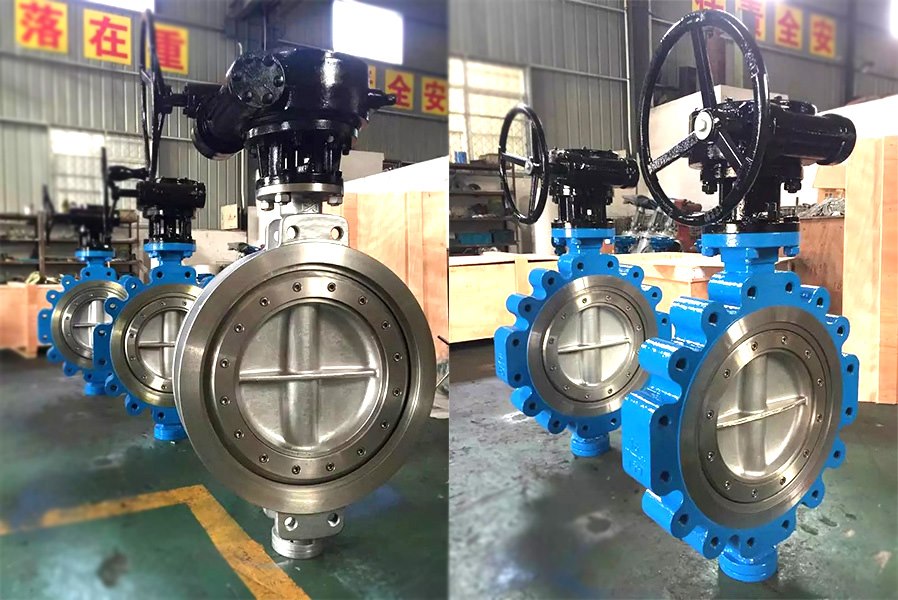
Indirect Effects of Temperature on Sealing Performance
Temperature doesn’t just affect the physical properties of seat materials—it also changes how the internal components of the valve fit and interact. These dimensional shifts often show up as common issues such as “the valve won’t seal” or “the valve won’t open.”
Changes in Sealing Pressure
- High temperatures soften elastomers and reduce their ability to rebound, making it difficult to maintain the necessary sealing pressure.
- In contrast, low temperatures make the seat too rigid to conform to small surface irregularities on the disc.
- Both situations increase the risk of internal leakage.
Thermal Expansion and Contraction
- The valve body and disc are typically made of metal, which expands less than most seat materials. At elevated temperatures, thermal expansion can squeeze or distort the seat, changing the preload and potentially causing the valve to stick or bind.
- Conversely, when temperatures drop, the seat may contract unevenly, reducing interference with the disc and resulting in a loose fit or unstable sealing performance.
- The seat’s own expansion and contraction also influence how tightly it fits against the valve body and disc, creating fluctuations in sealing reliability across temperature cycles.
Effects of Temperature on Valve Operating Performance
Changes in Operating Torque
- Temperature has a direct influence on how much torque is required to open or close a butterfly valve.
- At high temperatures, elastomer seats soften and can become tacky, increasing friction against the disc. If deformation occurs, the seat may drag or even partially seize around the disc.
- In low-temperature conditions, the seat hardens, which also raises operating torque because the material can no longer flex or conform during disc movement.
Risk of Seizing or Sticking
- When the thermal expansion rate of the seat material is significantly higher than that of the valve body or disc, elevated temperatures can cause the seat to swell or compress excessively. In severe cases, this can lock the disc in place and prevent any rotation.
- This risk is especially important in high-temperature service or in systems where the valve cycles frequently, as repeated expansion and contraction can accelerate binding issues.
Summary of Temperature-Related Effects and Consequences
Temperature Condition | Primary Material Effects | Engineering Consequences |
Excessive Heat | Softening, aging, permanent deformation, oxidation | Leakage, higher operating torque, seat damage, valve sticking or seizure |
Low Temperature | Hardening, embrittlement, loss of elasticity | Leakage, difficult operation, seat cracking or brittle failure |
Thermal Cycling / Rapid Temperature Changes | Material fatigue, thermal stress, uneven expansion and contraction | Seal failure, seat loosening or displacement, early fatigue-related damage |
Recommendations for Valve Seat Selection and Use
Define the Temperature Range Clearly
Before selecting a valve seat material, it is essential to understand the system’s minimum and maximum operating temperatures, as well as any expected fluctuations. As a general rule, always include a 10–15% safety margin above the highest anticipated temperature.
Select the Appropriate Material Based on Temperature
Temperature Range | Recommended Materials | Typical Applications |
–20°C to +80°C | EPDM, NBR | Water supply and drainage, HVAC, general-purpose fluids |
–40°C to +200°C | FKM (Viton), HNBR | Hot water, oils, light chemical processes |
–30°C to +260°C | PTFE, PEEK | Chemical handling, corrosive media, high-temperature services |
>300°C | Metal seats (Stainless steel, Stellite) | Power plants, metallurgy, steam systems, high-pressure applications |
Consider Thermal Expansion Compatibility
For metal seats and high-temperature applications, it is important to ensure that the thermal expansion coefficients of the valve body and seat are closely matched. This minimizes internal stress and reduces the risk of distortion or structural damage.
Operation and Maintenance Tips
- Avoid frequent cycling when the valve is exposed to extreme temperatures.
- For high-temperature pipelines, preheating before operation is recommended.
- Inspect valve seats regularly for signs of hardening, cracking, or separation.
Conclusion
Temperature is one of the most critical factors in the design and selection of butterfly valve seats. Overlooking its impact can lead to reduced sealing performance, higher operating torque, valve seizure, or even system-level safety issues.
For this reason, the choice of seat material and construction must always be aligned with the medium temperature and the actual operating environment. Proper selection at the design stage ensures reliable, stable, and long-lasting valve performance.
At TFW Valve, we take these factors seriously. We provide seat material solutions tailored to each specific application, ensuring that our butterfly valves operate safely and consistently across a wide range of temperature conditions.If you have any further questions, please feel free to contact us.