China Valve Manufacturer
Leading China's valve manufacturing industry, our company boasts prestigious certifications including WRAS, EAC, ISO9001, CE, ACS, SGS, and BV, ensuring top-tier quality and global compliance.
About TFW VALVE
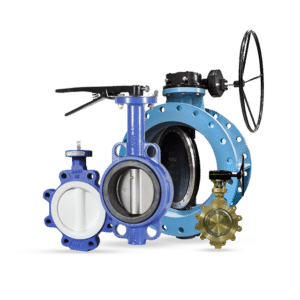
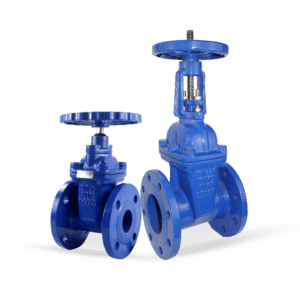
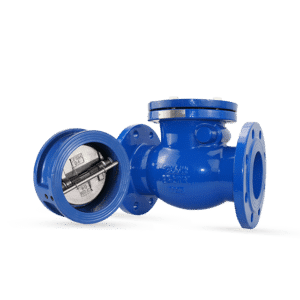
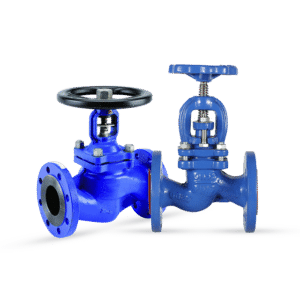
Tianjin Tangfa Watts Valve Co., Ltd.(TFW VALVE) was established in 2002 , registered capital of 10.8 million RMB. The company was formerly known as Tianjin Tangfa watts valve Sales Co., Ltd. TFW valve are mainly dedicated to the development, production and sales of medium and low pressure soft seal valves. The main products include: concentric butterfly valve, flange butterfly valve,metal seated butterfly valve, soft seal gate valve, hard seal gate valve, Gost gate valve,dual plate check valve, swing check valve, Y strainer and other products. The annual production capacity is over 8,000 tons.
Our Certificate
Video Center
0:16
0:16
0:16
Butterfly valve manufacturing workshop
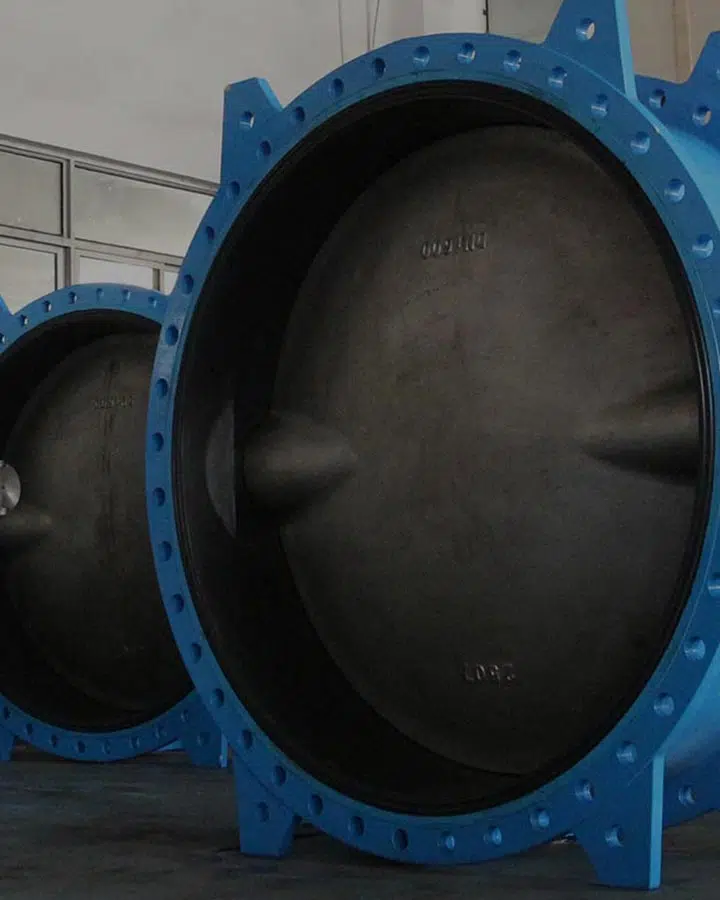
Explore our advanced butterfly valve manufacturing workshop, equipped with the latest technology to ensure high-quality production. Our facility is designed for efficient workflow, featuring rows of newly crafted valves with durable construction and a striking blue finish. Our production adheres to strict quality standards, ensuring each valve is tested for functionality and longevity. Our team's expertise guarantees precision-engineered valves tailored to meet diverse industrial demands.
Gate valve manufacturing workshop
Our production line adheres to stringent quality control processes, guaranteeing that each valve meets global standards for performance and safety. Our skilled workforce is dedicated to delivering valves that provide unparalleled flow control solutions.
Testimonials
News Center
Regularly update valve knowledge and company latest news

Valve knowledge
Expert Insights into Butterfly, Gate, and Check Valves

Company news
Company news and latest developments
Latest news

What Is a PTFE Seat Butterfly Valve and Where Is It Used
What Is a PTFE Seat in a Butterfly Valve? A PTFE seat in a butterfly valve is a ring-shaped sealing component installed at the valve’s sealing interface. It is made primarily of polytetrafluoroethylene (PTFE). When the disc is in the closed position, the PTFE seat forms a tight sealing surface against the outer edge of

Why the Concentric Butterfly Valve Is the Preferred Choice for Water Systems
What Is a Concentric Butterfly Valve? A concentric butterfly valve is the most classic and widely used type of soft-seated butterfly valve. The term “concentric” means that the centerline of the valve stem, the center of the disc, and the centerline of the valve body are all aligned on the same axis. During operation, the

Butterfly Valve Connection Types Explained: Wafer, Lug, Semi-Lug, and Flanged
Choosing the right butterfly valve is important, but it’s only the first step. The connection type—how the valve is actually installed into the pipeline—plays a critical role in system safety, cost, and long-term reliability. Pick the wrong connection, and the result can be leakage, mechanical failure, or costly downtime. This guide simplifies the decision-making process.

How to Install Flanged Butterfly Valves Correctly
Flanged butterfly valves are widely used in water treatment plants, municipal pipelines, and industrial systems. While the valve structure itself is relatively simple, the installation process involves several important details that directly affect sealing performance, operating torque, and long-term reliability. To help ensure stable operation in your system, this guide summarizes the most common installation

The Impact of Temperature on Butterfly Valve Seats
Butterfly valves are widely used across water treatment, HVAC, chemical processing, and various industrial pipeline systems due to their compact design, quick operation, and cost-effective performance. At the heart of their sealing capability is the valve seat—a component whose material and condition directly determine shutoff quality and service life. Valve seats are typically made from

Butterfly Valve Uses Explained: Where and Why Engineers Choose Them
When budgets tighten and installation space becomes increasingly limited, engineers and procurement teams face a familiar challenge: finding a valve that delivers reliable flow control without pushing costs—or footprints—beyond what a project can accept. In many cases, the butterfly valve strikes that balance better than almost any other option. While it’s not a universal solution,