A sewage pump-station check valve must stop reverse flow without becoming a collection point for fibers, grit, grease, and suspended solids. Its closing behavior also affects surge, noise, pump protection, and the maintenance workload after repeated starts and stops.
This guide compares common check-valve arrangements and the hydraulic and maintenance information needed for selection. The valve should be reviewed together with the pump duty and discharge pipeline rather than chosen from nominal pipe size alone.
Why Sewage Pump Stations Need Careful Check Valve Selection
Sewage pump stations are harder on check valves than clean water systems. The media can contain grit, fibers, grease, and suspended solids. Pump starts and stops may happen many times a day. A check valve that looks correct on a drawing can still cause slam, blockage, leakage, or high maintenance if the service condition is not reviewed.
The main job of a check valve is simple: stop reverse flow. The difficult part is making it close at the right time, with the right flow velocity, while still allowing solids to pass. For related pump-line behavior, TFW’s article on water hammer prevention is useful even though it was written for cooling systems.
Which Check Valve Types Are Used in Sewage Pump Stations?
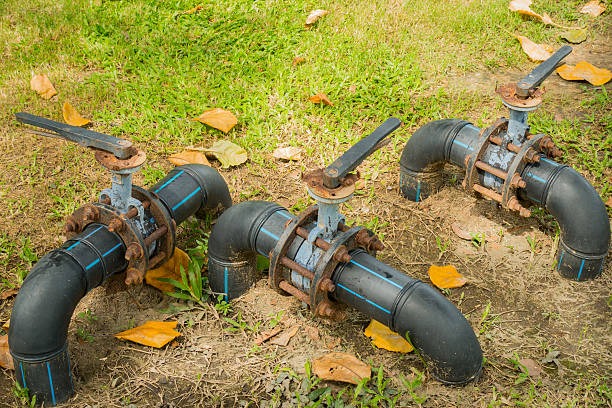
Swing check valves are common because the flow path is relatively open and the disc can pass wastewater better than some compact designs. They need enough space, correct installation, and suitable flow velocity. If velocity is too low, the disc may not open fully or may move unstably.
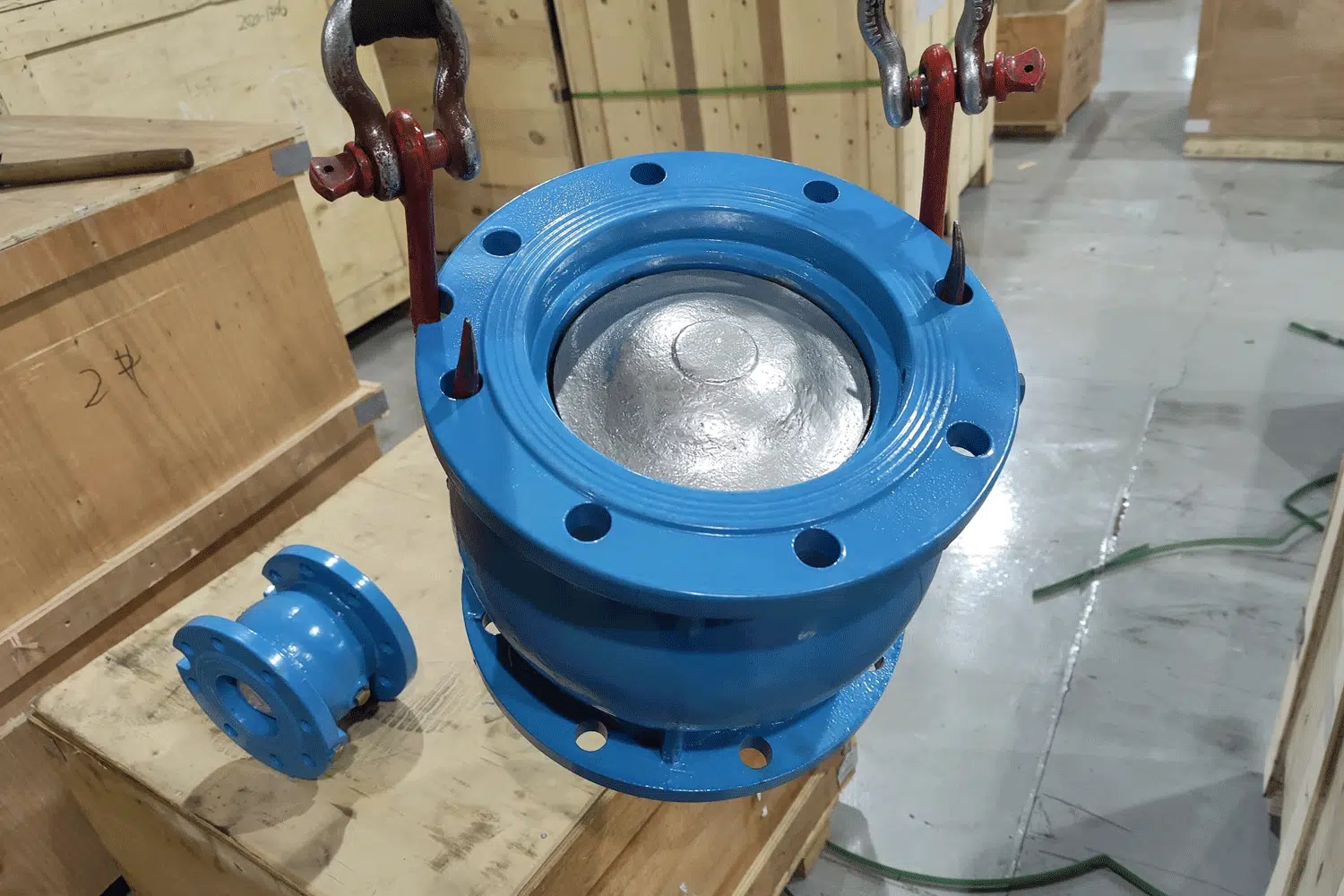
Ball check valves are often used in small sewage and drainage pump stations because the ball can handle some solids and has a simple internal structure. They are not the best answer for every large station, but they can work well in compact sewage systems where clogging resistance matters.
Silent check valves are usually more common in clean water or treated water pump systems. In raw sewage, the spring and flow path must be checked carefully. If solids can collect around the moving parts, a standard silent check valve may not be the best choice.
How Backflow and Valve Slam Happen
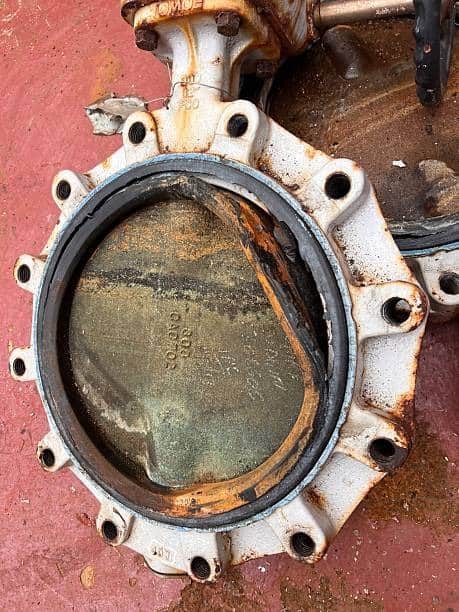
Backflow starts when the pump stops and the downstream column of water moves back toward the pump. If the check valve closes too late, reverse velocity builds before the disc shuts. The sudden stop can create a loud slam and pressure surge. If the valve closes too early or is oversized, it may chatter during normal flow.
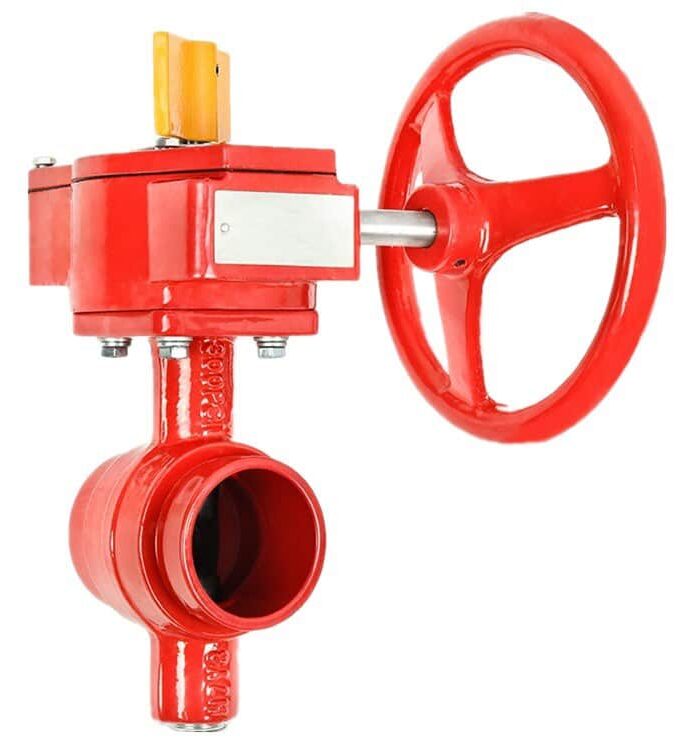
Valve slam is not only a noise problem. It can damage discs, seats, pins, flanges, and pipe supports over time. It can also stress pumps and nearby isolation valves. In many pump stations, the check valve should be selected together with the isolation valve, often a butterfly valve or gate valve.
The best solution may include correct valve type, proper sizing, controlled pump shutdown, air release, surge protection, and good pipe layout. No single valve can fix a poor hydraulic design, but the wrong valve can make the problem worse.
Sizing and Installation Details That Matter
Do not select a sewage check valve only by pipe diameter. Check the actual flow rate, minimum velocity, maximum velocity, head loss, pump curve, solids size, and maintenance access. Oversizing can be just as harmful as undersizing because the disc may not reach a stable open position.
Installation orientation matters. Some check valves work only in horizontal lines, while others can be installed vertically if the flow direction is upward. The valve should have enough straight pipe where required by the manufacturer. It should also be placed where operators can inspect it without dismantling too much pipework.
In sewage service, maintenance access is part of the specification. A valve installed in a tight chamber may be technically correct but difficult to clean. If debris often enters the station, choose a design that can be inspected and serviced without turning every repair into a major shutdown.
Material and Seat Selection for Wastewater
Ductile iron bodies with protective coating are widely used in sewage pump stations. The coating is important because wastewater environments are humid and corrosive. Stainless steel shafts, pins, or fasteners may be considered where corrosion risk is higher.
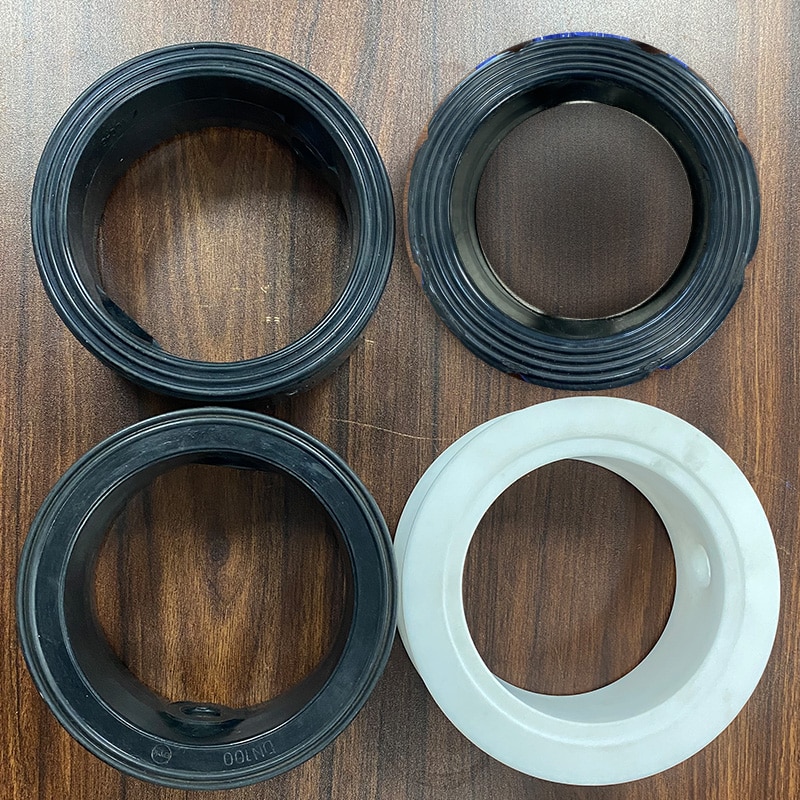
Seat material depends on the media and sealing requirement. Rubber seats can provide good shutoff, but they must tolerate wastewater exposure, occasional chemicals, and abrasion from grit. Metal-to-metal seating may handle certain abrasive conditions better, but leakage class and pump station requirements should be reviewed.
If the line carries sludge or fibrous material, also compare the check valve with upstream isolation choices. TFW’s guide on butterfly valves in wastewater treatment explains why solids content changes valve selection across the plant.
| Valve type | Potential advantage | Main sewage-service check |
|---|---|---|
| Swing check valve | Relatively open flow path | Disc stability, closing behavior, access, and solids passage |
| Ball check valve | Simple movement and useful solids tolerance in suitable sizes | Head loss, ball travel, chamber access, and orientation |
| Silent or spring-assisted check valve | Fast closure can reduce slam in suitable clean service | Whether springs and internal passages can tolerate the actual sewage |
| Dual-plate check valve | Compact installation | Spring condition, solids interference, and maintenance access |
RFQ Checklist for Sewage Pump Station Check Valves
The most useful check valve quotation includes the service conditions, not only size and pressure. A supplier needs to know what kind of sewage is present and how the pumps operate. This helps avoid a valve that fits the flange but fails in daily service.
- Pump type, flow rate, head, start-stop frequency, and number of pumps.
- Pipe size, pressure rating, flange standard, and installation orientation.
- Raw sewage, screened wastewater, sludge, or treated effluent.
- Solids, fibers, grit, grease, and expected maintenance frequency.
- Preferred check valve type: swing, ball, silent, dual plate, or project-specific design.
- Matching isolation valves, such as gate valves or butterfly valves.
Pump and Valve Data to Verify
The valve submittal should be checked against the pump flow range, static and dynamic head, start-stop sequence, expected reverse flow, pipe orientation, and surge strategy. The selected disc or ball must reach a stable operating position at normal flow without relying on pipe diameter as the only sizing input.
For wastewater duty, verify the clear flow path, hinge or spring arrangement, body access, seat material, shaft and fastener materials, protective coating, and the method for removing trapped debris. Drawings should show whether the valve can be inspected without removing large sections of discharge piping.
Commissioning should include observation during pump start and shutdown. Record noise, vibration, pressure behavior, leakage, and disc movement where it can be observed. Repeated slam or chatter should trigger a hydraulic review rather than repeated replacement with the same valve size.
Frequently Asked Questions
Why can an oversized check valve chatter?
If normal flow is too low to hold the moving element in a stable open position, the disc can oscillate and repeatedly contact its stop or seat. Selection should use the operating flow range and valve characteristics, not pipe size alone.
Does a silent check valve always solve water hammer?
No. Faster closure may reduce reverse velocity in some systems, but surge also depends on pump shutdown, pipeline profile, air, flow velocity, and system controls. Sewage solids may also make a compact spring-assisted design unsuitable.
Which wastewater details should be sent with the RFQ?
Describe whether the media is raw sewage, screened wastewater, sludge, or treated effluent, then include solids, fibers, grit, grease, flow range, pump head, start-stop frequency, orientation, and maintenance access.
Where should the isolation valve be considered?
The pump discharge arrangement normally requires both reverse-flow protection and safe maintenance isolation. Review the check valve together with the adjacent gate or butterfly valve, available straight pipe, dismantling space, and lifting access.
Conclusion
The best sewage check valve is the design that stays hydraulically stable, closes with acceptable surge, passes the expected solids, and remains serviceable in the available space. Pump data and wastewater characteristics are therefore part of the valve specification.
TFW Valve can review a pump-station valve list that includes check and isolation valves. Send the pump duty, wastewater condition, pipe arrangement, pressure class, and maintenance constraints through the contact page.