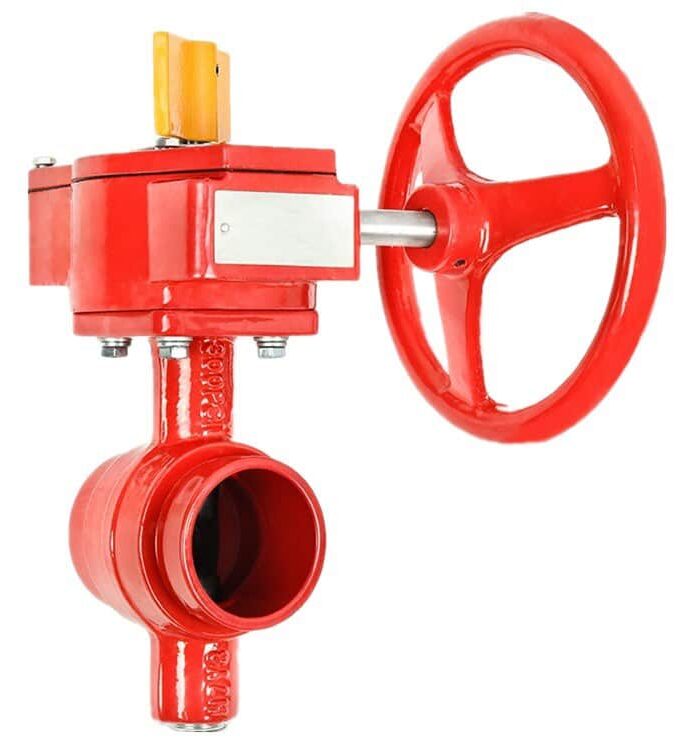
Butterfly valve seats play a crucial role in determining the sealing performance, durability, and application suitability of butterfly valves. These seats form the primary sealing surface between the valve disc and the body, directly impacting how well the valve can control or isolate fluid flow. Among the various butterfly valve types, wafer-style butterfly valves are widely used due to their compact design and effective flow regulation.
When choosing the right butterfly valve seat, it’s essential to consider several factors, including the fluid medium, pressure and temperature ranges, and flange compatibility. The seat material—whether soft, hard, or rubber-lined—must also be selected based on the chemical properties and operational demands of the application.
In industrial use, the most commonly seen butterfly valve seats include hard rubber seats, soft-backed seats, and fully rubber-lined designs. The main differences lie in how the seat is installed and integrated with the valve body. Each design has unique structural characteristics and performance strengths, making the right choice crucial for optimal system operation.

What Is The Difference Between Butterfly Valve Seats?
Upon intuitive observation of the differences in valve bodies, it becomes evident that there are variations in the design of the valve seat. The valve seat is a removable component within the valve, designed to support the fully closed position of the valve plate and form a sealing ring. In general, the valve seat diameter is the maximum flow diameter of the valve.
The valve seat material of the butterfly valve is highly versatile, with a wide range of rubber and metal materials suitable for use as valve seat materials. Examples include EPDM, NBR, PTFE, VITON, STELLITE, and others.
Rubber Hard back seat
The hard back seat material is composed of rubber on the outside, wrapped around the hard back inside. Installation is typically performed using a professional valve assembly platform, which applies pressure to the valve seat during insertion into the valve body. This butterfly valve is the most common and cost-effective option on the market.

Rubber Soft back valve seat
The Rubber Soft back valve seat is composed of rubber alone, rendering it highly elastic and justifying its designation as a backless valve seat. Furthermore, the installation method is more convenient for workers to repair, replace, and disassemble at a later date. The butterfly valve has the advantage of facilitating the replacement of valve components. The product is currently experiencing high demand in the EU and US markets.

Rubber-lined (Vulcanized) butterfly valve
The rubber-lined butterfly valve comprises a rubber-lined seat that is attached to the valve body as a single unit. The product is manufactured in large quantities using sophisticated machinery. In comparison to traditional butterfly valves, this valve exhibits superior characteristics, including high temperature resistance, straightforward operation, minimal friction during opening and closing, optimal sealing performance, and an extended service life. The only disadvantage is that the seat component is not interchangeable.

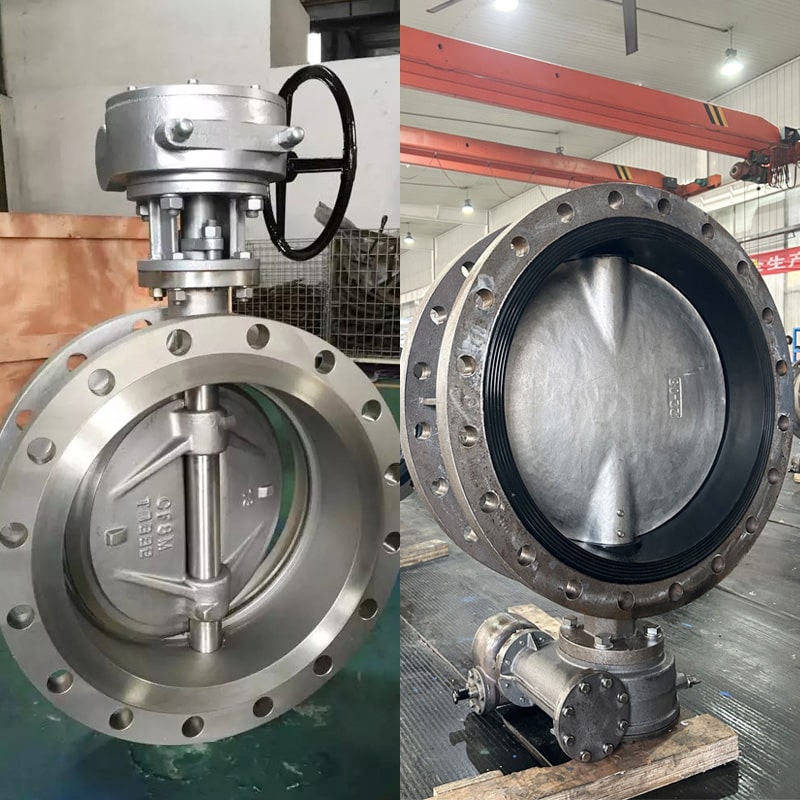
Display of butterfly valve finished products
The following images demonstrate the appearance of different valve seats installed on the butterfly valve body. All images are of genuine products.

Concluding Remarks
In conclusion, each type of butterfly valve seat (hard, soft and rubber-lined) has its own unique advantages and applications. The selection of the appropriate valve seat can effectively enhance the performance and service life of the system. TFW Valve is a leading supplier of butterfly valves, offering a comprehensive range of products and specifications. Should you require further information, we invite you to contact us at your earliest convenience.