Valve knowledge

butterfly valve2

Common Butterfly Valve Leakage Problems and How to Fix Them

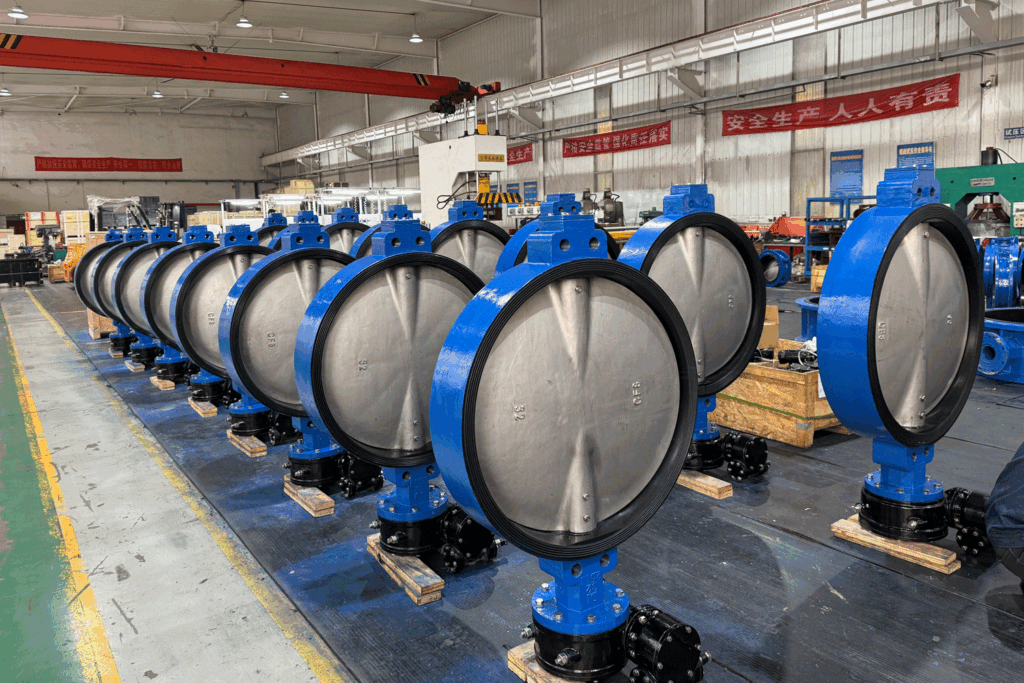
Butterfly valve leakage is one of the most common problems in piping systems. In actual engineering applications, leakage is not always caused by valve quality itself. In many cases, it is related to valve selection, installation methods, operating conditions, and long-term maintenance. In general, butterfly valve leakage can be divided into two main types: Internal

Common Butterfly Valve Leakage Problems and How to Fix Them Read More »

Knife and Wedge Gate Valves

How to Choose Between Knife and Wedge Gate Valves

In piping systems, knife gate valves and wedge gate valves often look very similar, so many people assume they can be used interchangeably. In reality, however, these two types of valves are designed for very different applications and operating conditions. In media containing particles or impurities — such as wastewater, slurry, or paper pulp —

How to Choose Between Knife and Wedge Gate Valves Read More »

butterfly valve

How Do Butterfly Valves Seal? Types and Solutions

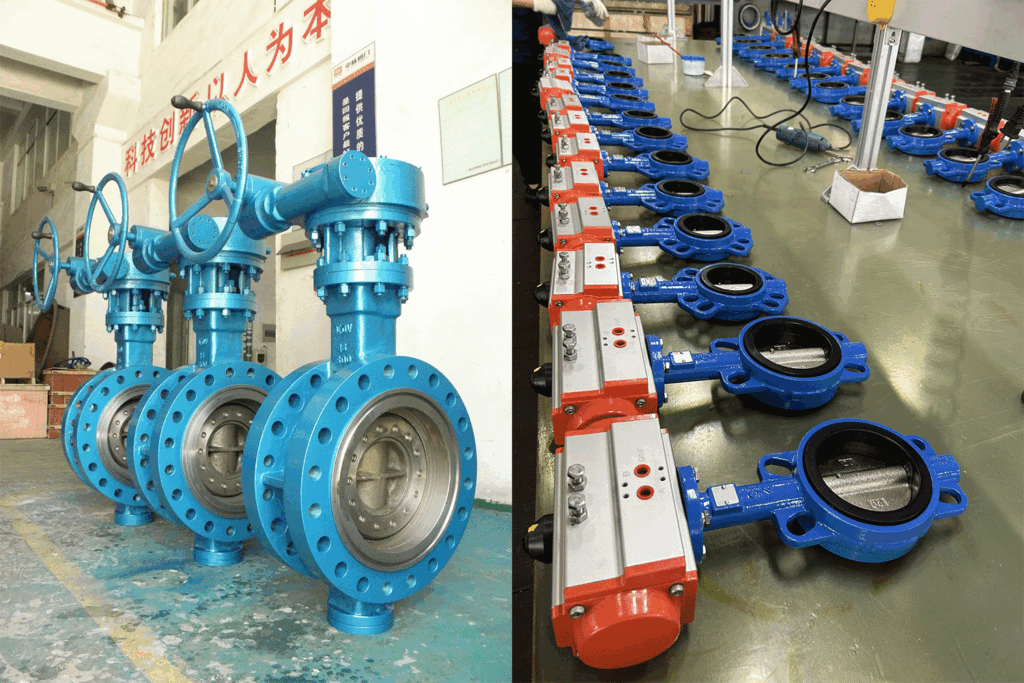
Butterfly valves seal performance is a critical factor in real-world applications, even though it is not always the first parameter considered during selection. Many common site issues—such as incomplete shut-off, ongoing minor leakage, or a gradual decline in sealing performance over time—are closely related to how butterfly valves seal and the design of their sealing

How Do Butterfly Valves Seal? Types and Solutions Read More »

butterfly valve

What Affects Butterfly Valve Price?

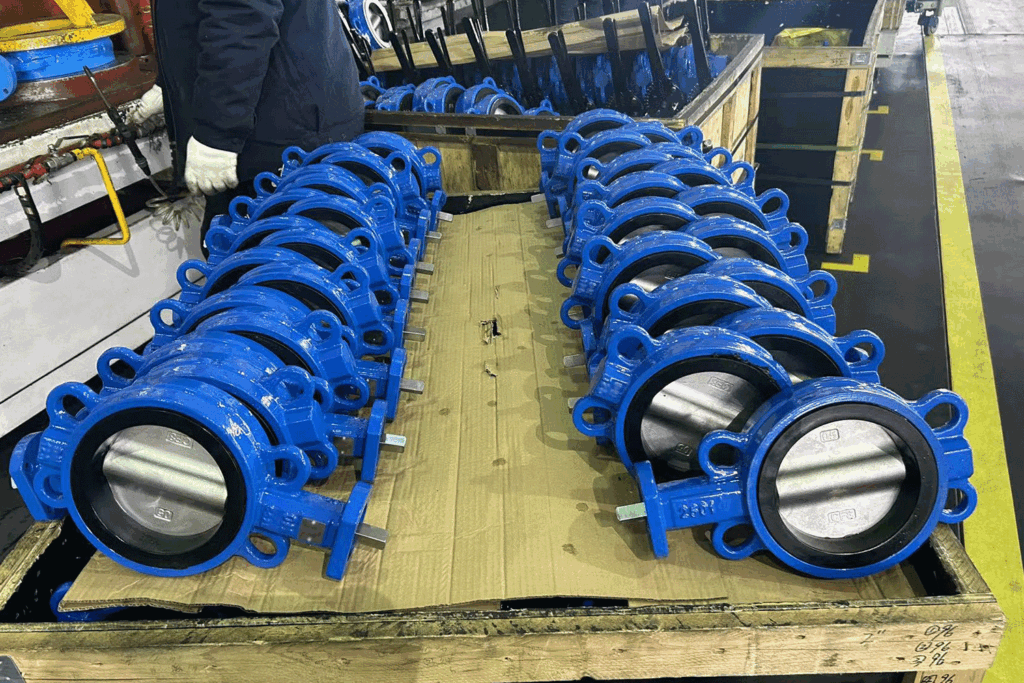
In real project procurement, many buyers face the same issue: butterfly valves with the same specifications can vary significantly in price between suppliers—sometimes by several times. This difference is not simply due to brand or market factors. It is mainly driven by variations in materials, design, manufacturing processes, and configuration requirements. Understanding these key factors

What Affects Butterfly Valve Price? Read More »

Silent-check-valve

How to Prevent Water Hammer in Cooling Systems

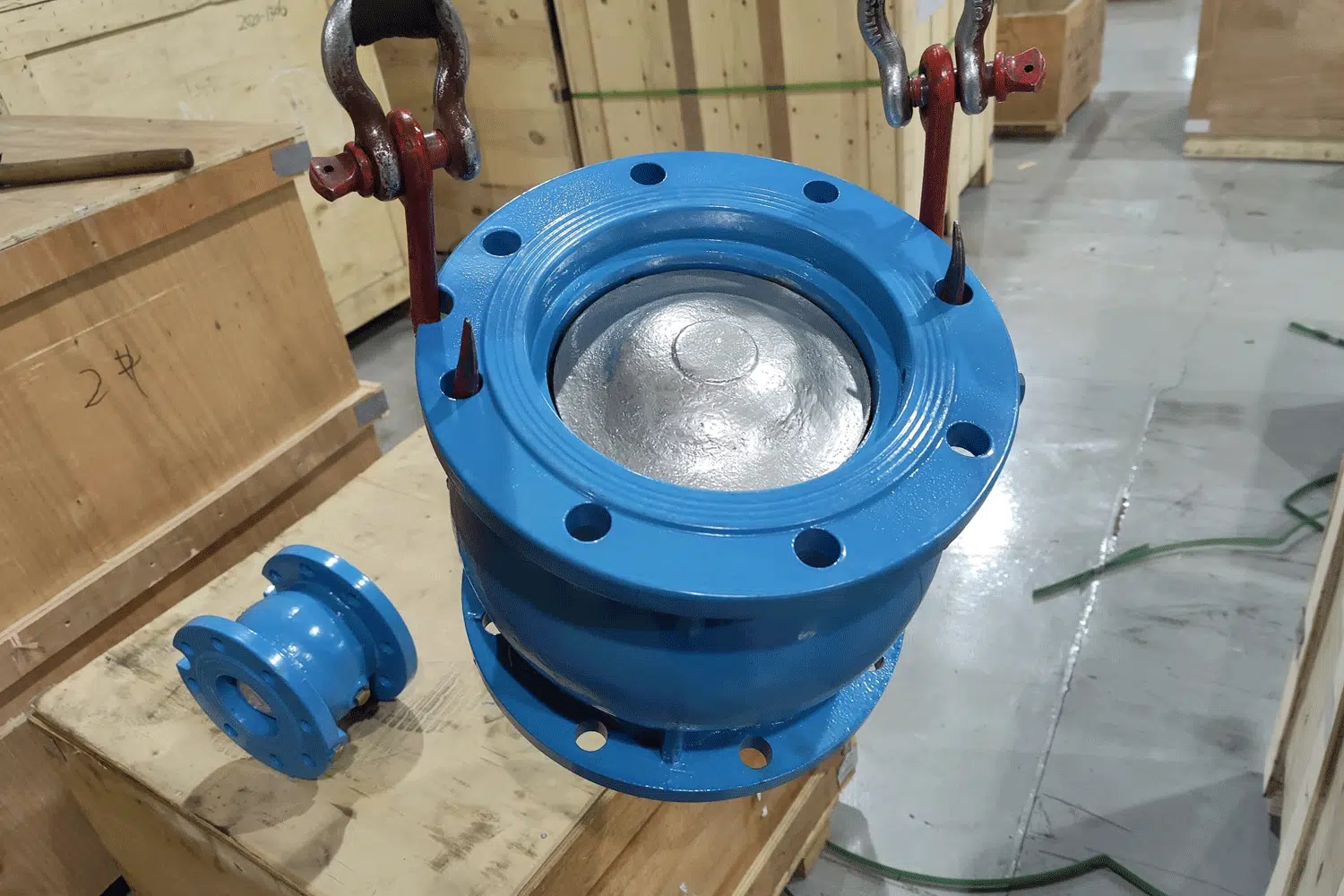
Water hammer is a common issue in cooling water and chilled water systems, especially in HVAC applications and data centers. If not properly controlled, it can lead to pipe vibration, noise, and even damage to valves and pumps. Understanding what causes water hammer—and how to prevent it—is essential to keeping the system stable and operating

How to Prevent Water Hammer in Cooling Systems Read More »

check valve

How to Choose Check Valves for Data Center Cooling Systems

In data center cooling systems, the circulation of cooling water must remain stable over long periods of operation. Any backflow or water hammer can not only reduce system efficiency but also damage pumps and piping. For this reason, check valves are not just basic components—they play a critical role in ensuring safe and reliable system

How to Choose Check Valves for Data Center Cooling Systems Read More »

valve in Cooling Tower Systems

What Valves Are Used in Cooling Tower Systems?

In cooling tower systems, water continuously circulates to carry heat away from equipment and release it into the air. While the process may seem straightforward, improper flow control or backflow can reduce cooling efficiency and even cause operational stress on pumps and the overall system. In real-world projects, system stability often depends on how well

What Valves Are Used in Cooling Tower Systems? Read More »

PN10/16 butterfly valve Valve Pressure

What Are PN10, PN16 and Class 150? Valve Pressure Explained

In valve selection, pressure rating is one of the most critical parameters. PN10, PN16, and Class 150 are the three most commonly used pressure ratings in engineering, yet in practice, their meanings and differences are not always fully understood. A clear understanding of these pressure ratings and how they differ is essential to ensure proper

What Are PN10, PN16 and Class 150? Valve Pressure Explained Read More »

Scroll to Top